

A Short Guide to Common Wounds
If you are not sure which care you need, this quick guide may help. The nurse confirms it at the first visit.
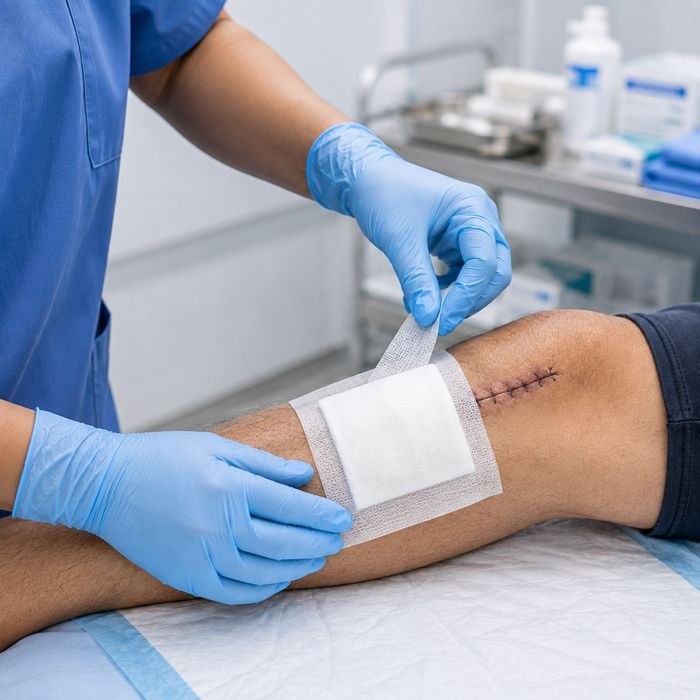
- Surgical incisions are clean cuts closed by the surgeon. They need protected, regular dressing changes until they heal. Read our home guide to post-surgery care.
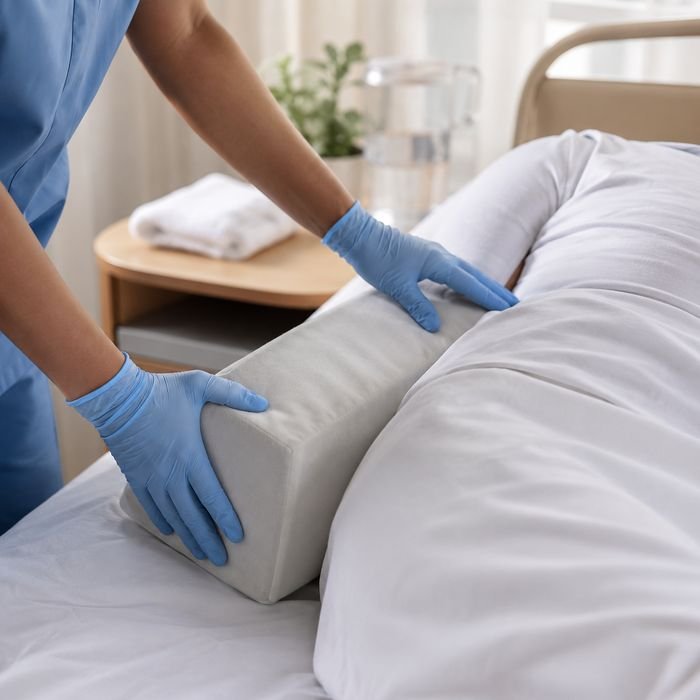
- Pressure sores form on skin under constant pressure in bedridden patients. They need dressing and, just as important, regular turning. Read about stages and treatment of bed sores.
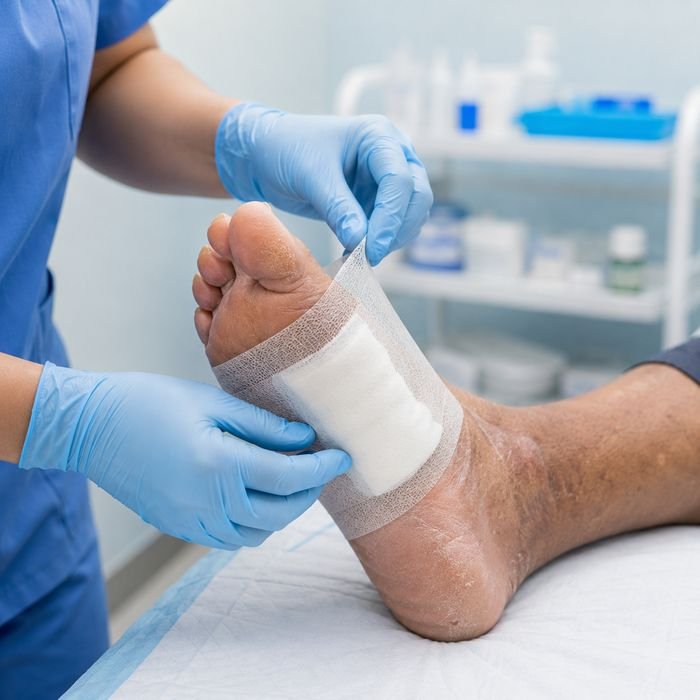
- Diabetic foot ulcers are often painless and easy to miss. They need careful dressing and early infection checks. Read about diabetic foot ulcers.
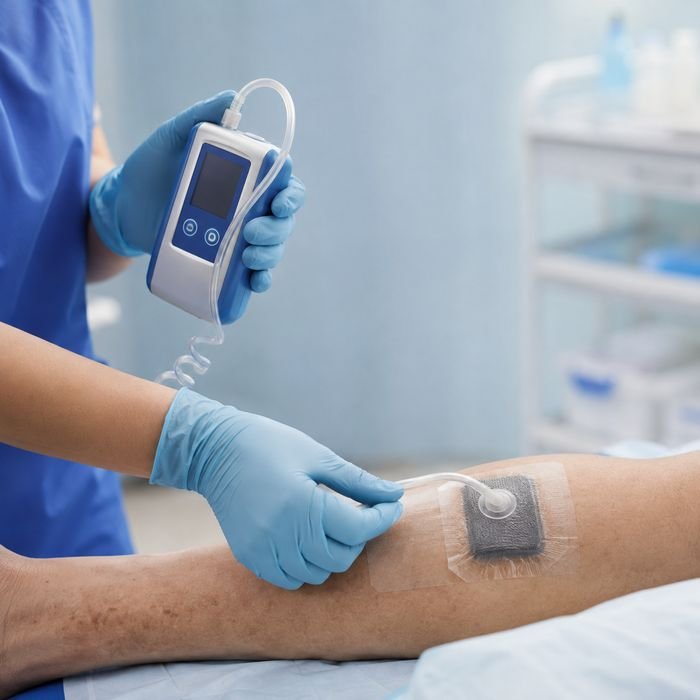
- Burns and deep cuts need protection from germs while new skin forms.
- Wounds that will not heal may need a closer look. See when to see a wound care specialist.
Get medical help urgently if you see: fever or chills, redness spreading from the wound, pus or a foul smell, black or dead-looking skin, heavy bleeding, or sudden drowsiness or confusion. Do not wait for the next dressing visit.
What Home Care Does Not Replace
A nurse looks after the wound, but does not diagnose conditions, prescribe medicines or replace your doctor's treatment. Keep your appointments, take your medicines, and share the nurse's notes with your doctor if the wound is not improving. Good food, rest and fluids also matter, and our note on daily habits that support wound healing explains how.
Booking and Costs
Call or WhatsApp us with a short description of the wound, where it is on the body, and your area. A photo helps. A nurse reviews the details and plans the first visit. We do not quote a fixed rate without knowing the wound, because the number of visits and supplies differ for each patient. Share the details and the team will explain the plan before you commit to it.