
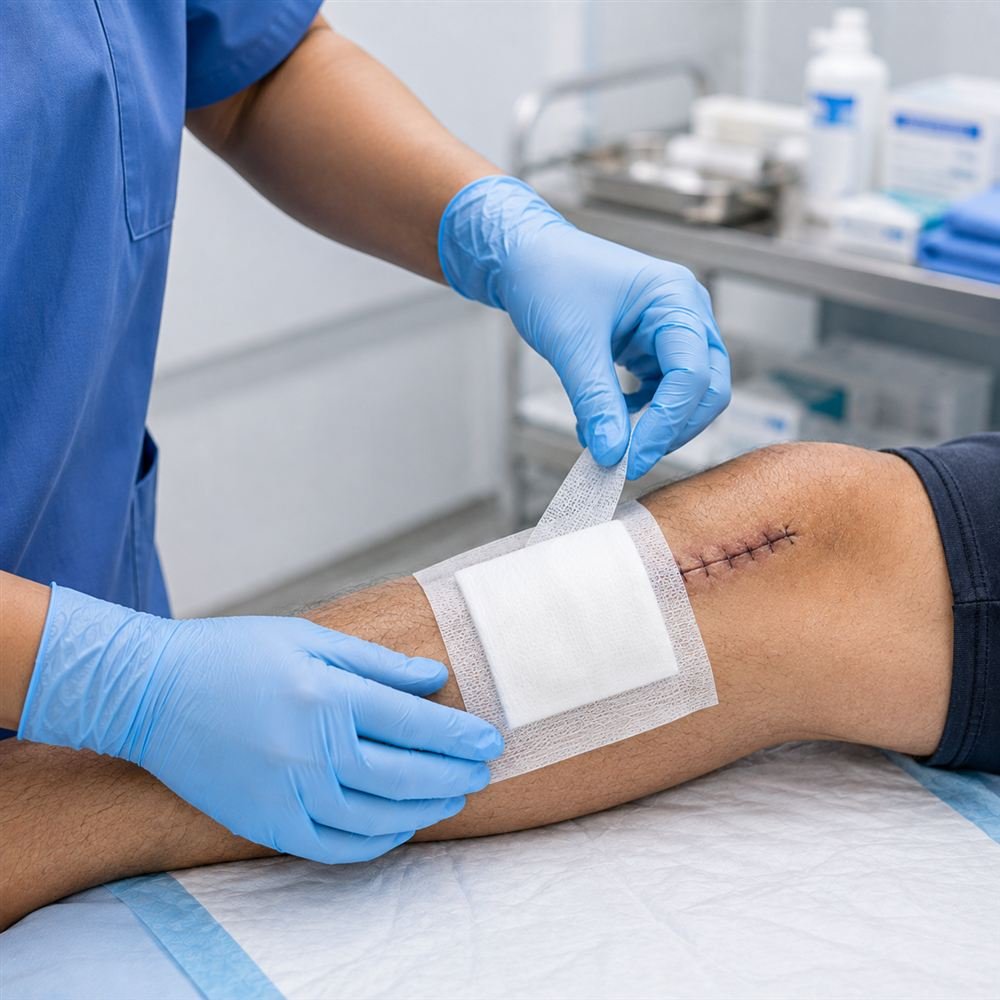
Delhi's Seasons and Your Dressing
The weather in Delhi can quietly work against a dressing. In summer, sweat and heat make tape lose its grip, so a dressing may start to lift at the edges within a day. During the monsoon, humid air and damp clothing can leave a dressing soggy. In dusty or smoggy months, a dressing that has come loose lets grit settle on the incision.
None of this should stop you from moving about carefully as your surgeon allows. It does mean you should look at the dressing each day, and call us if it is loose, wet or dirty rather than waiting for the next scheduled change.
Call your surgeon or go to hospital if you notice: fever or chills, redness spreading out from the incision, pus or a foul smell, wound edges opening, bleeding that will not stop, or pain getting worse instead of better. Do not wait for the next dressing visit.
Normal Healing or a Warning Sign?
New incisions often look a little alarming. Some changes are expected, others are not:
- Usually expected: mild tenderness, slight pinkness along the edges, a little swelling, and a thin, light-coloured stain on the dressing in the first days.
- Needs attention: redness that spreads, a wound that feels hot or hard, thick or cloudy discharge, a bad smell, edges pulling apart, or pain that increases.
If you are unsure which group a change belongs to, send us a photo on WhatsApp. The nurse can advise whether it can wait for the next visit or needs a doctor.
What Not to Do
- Do not peel off the dressing early just to look at the wound.
- Do not use turmeric, powders, creams or strong antiseptics on the incision unless your surgeon has prescribed them.
- Do not pick at scabs, glue or adhesive strips.
- Do not soak the wound in a bath or tub until you are cleared to.
- Do not strain the area. Follow the advice on lifting, bending and climbing stairs.
Common Surgeries We Dress After
Our nurses regularly care for incisions after caesarean sections, hernia repairs, gallbladder and other abdominal procedures, knee and hip operations, and spine surgery. Whatever the operation, the dressing plan follows your surgeon's instructions. For healing support at home, our note on daily habits that help wounds heal covers food, rest and fluids. Unsure whether a wound needs a specialist? Read when to see a wound care specialist.
Booking and Costs
Call or WhatsApp us with the type of surgery, when it was done, and your area in Delhi. A photo of the dressing helps. A nurse reviews the details and plans the visits around your surgeon's instructions. We do not quote a fixed rate without knowing the wound, because the number of visits and supplies differ for each patient. Share the details and the team will explain the plan before you commit to it. Living in Noida instead? See post surgery wound dressing in Noida.