
Most everyday cuts, scrapes and minor burns heal perfectly well with basic first aid — clean it, cover it, keep an eye on it. But some wounds need more than that, and knowing the difference can prevent a small problem from becoming a serious one. Here's what to watch for.
It Hasn't Improved in 1–2 Weeks
A healthy wound should show visible signs of progress within the first couple of weeks — less redness, reduced size, new skin forming at the edges. If a wound looks the same (or worse) after two weeks of basic care, that's a signal the body needs help it isn't getting on its own.
Increasing Pain, Redness, or Swelling
Some discomfort right after an injury is normal. What's not normal is pain that gets worse over the following days, spreading redness around the wound, or swelling that continues to build. These are classic signs of infection setting in, and they tend to escalate quickly without treatment.
Fever or Feeling Generally Unwell
If a wound is accompanied by fever, chills, or a general feeling of being unwell, it can mean an infection has moved beyond the local area. This warrants prompt attention rather than waiting to see if it resolves on its own.
Discharge, Odor, or Pus
Clear fluid in small amounts can be a normal part of healing. Thick discharge, pus, or a noticeably foul smell are not — they're strong indicators of infection that needs professional cleaning and, often, targeted treatment.
You Have Diabetes or Circulation Issues
If you have diabetes, poor circulation, or a condition that affects healing, the usual "wait and see" approach is riskier. Wounds in these situations can worsen faster and with fewer obvious warning signs, so it's worth having any wound checked early rather than waiting for it to look serious.
The Wound Is Deep, Large, or Won't Stop Bleeding
Deep cuts, wounds with visible fat or muscle, injuries from a dirty or rusted object, or bleeding that doesn't stop with firm pressure after several minutes all need professional assessment — sometimes urgently.
A simple rule of thumb: if you find yourself unsure whether a wound is "bad enough" to get checked, that uncertainty is usually reason enough. A quick assessment costs far less time and worry than an infection caught late.
What a Wound Care Visit Actually Involves
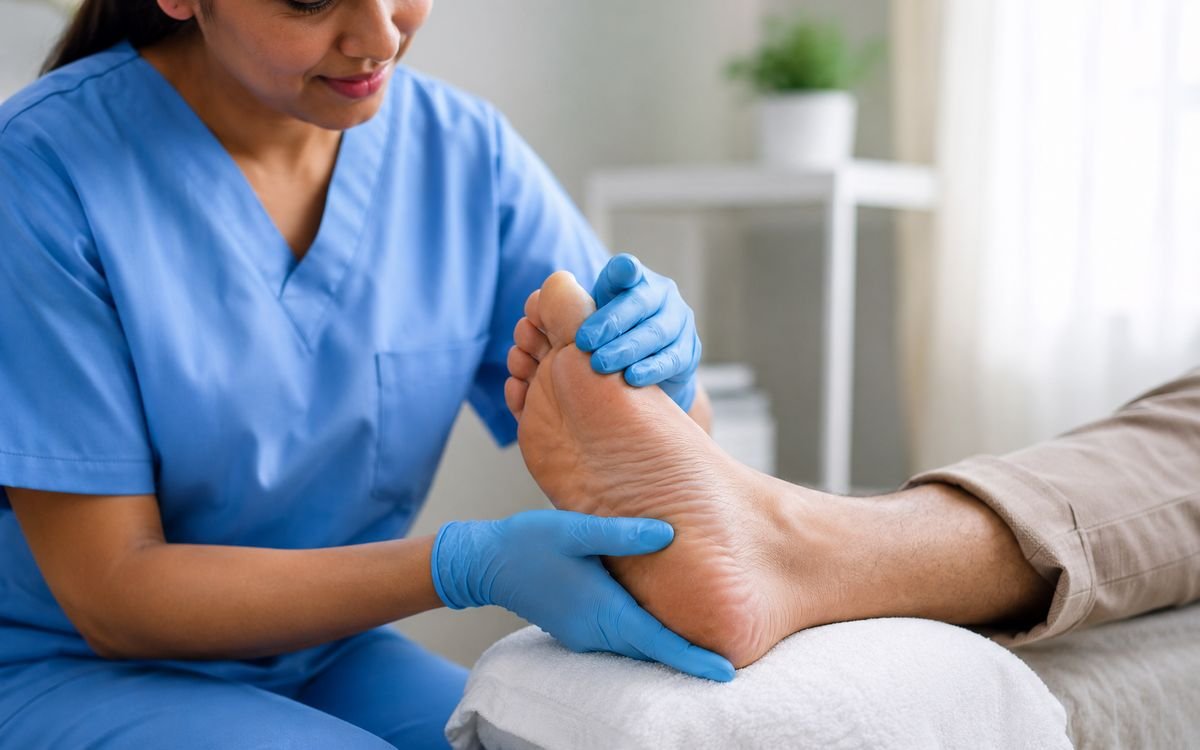
A professional visit isn't just a bigger bandage. It typically includes a proper assessment of the wound's depth and condition, cleaning using sterile technique, appropriate dressing selection for that specific wound type, and a plan for follow-up — so healing is tracked, not just hoped for.
At Wound Care Service, that first assessment is free. If your wound turns out to need nothing more than what you're already doing, we'll tell you — the goal is getting you the right level of care, not more than you need.