Not every wound heals on its own timeline. Chronic wounds — bed sores, diabetic ulcers, and some surgical or traumatic wounds — often develop a layer of dead or damaged tissue that the body simply can't heal around. Debridement is the process of removing that tissue, and for many stalled wounds, it's the step that finally lets healing restart.
Why Dead Tissue Blocks Healing
When tissue dies (a process doctors call necrosis) or a wound develops a buildup of dead cells, fluid and debris (slough), that material physically sits in the way of new, healthy tissue growing in. It also creates an ideal environment for bacteria, raising the risk of infection. As long as it's there, the wound can look "stuck" — not shrinking, not closing, regardless of how well it's otherwise dressed.
Which Wounds Typically Need It
- Bed sores (pressure ulcers) at Stage 3 or 4
- Diabetic foot ulcers that aren't progressing
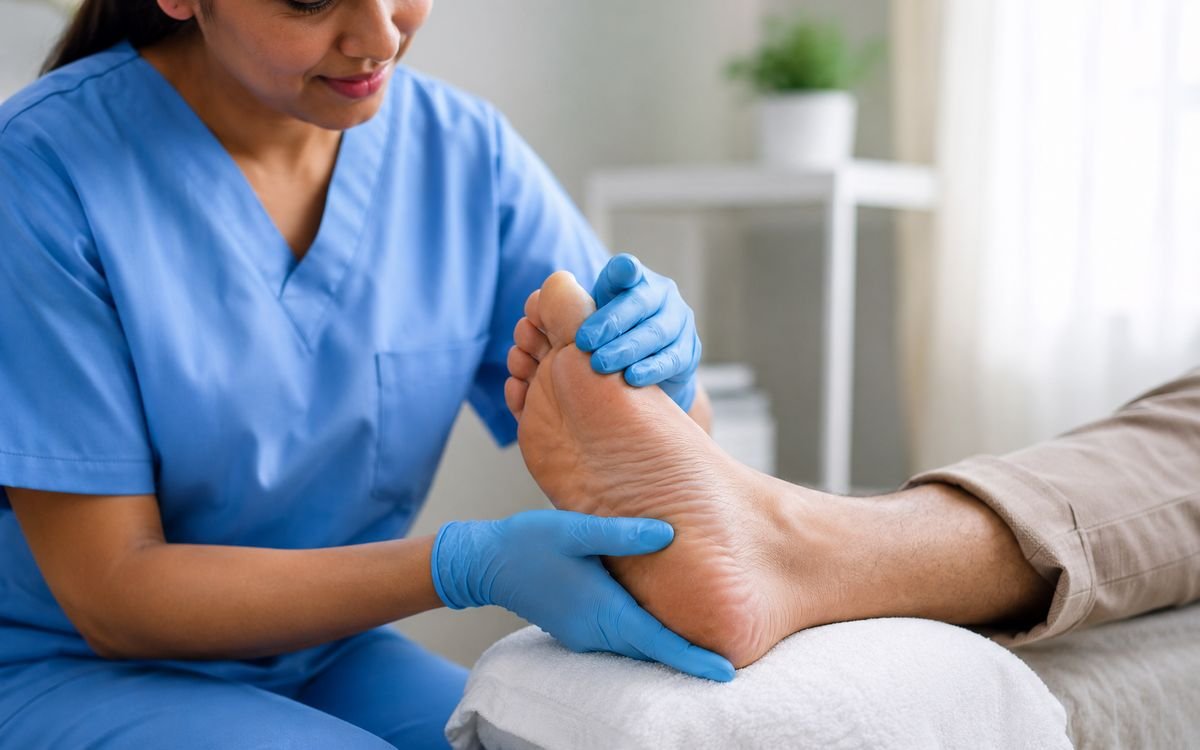
- Chronic wounds with visible dead tissue (black, brown, or yellow slough)
- Wounds with signs of infection that need the affected tissue cleared
Common Debridement Methods
The right method depends on the wound, its depth, and how much dead tissue is present:
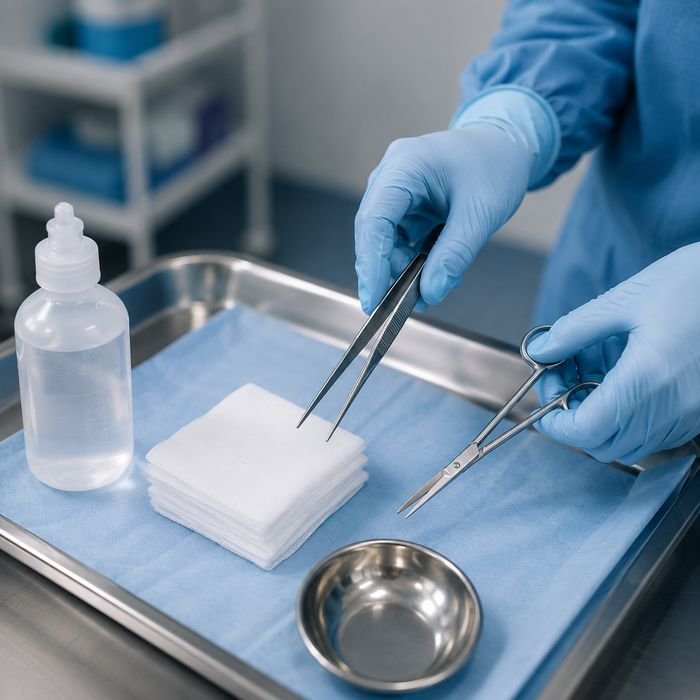
- Sharp/surgical debridement: A trained professional carefully removes dead tissue using sterile instruments — usually the fastest method for a clearly defined area of dead tissue.
- Mechanical debridement: Dead tissue is removed through the dressing method itself, such as specialized wound dressings designed to lift debris as they're changed.
- Enzymatic debridement: A topical agent is applied that breaks down dead tissue chemically over several days, used when a gentler, gradual approach is appropriate.
- Autolytic debridement: The body's own moisture and enzymes are used to soften and separate dead tissue, supported by a dressing that maintains the right moisture balance — the slowest but gentlest method.
Why this matters: Debridement isn't a one-time fix in many chronic wounds — it's often repeated at intervals as part of an ongoing care plan, since new areas of dead tissue can develop as the wound evolves. Skipping it usually means the wound simply doesn't progress, no matter how often the dressing is changed.
Is It Painful?
This varies by method and by the wound itself — some patients feel little to nothing, especially if the area has reduced sensation (common in diabetic wounds), while others may need the area numbed first. A trained nurse will explain what to expect for your specific wound before starting.
Why Professional Assessment Matters
Debridement should only be performed after properly assessing the wound — removing too much or too little tissue, or using the wrong method for the wound type, can slow healing rather than help it. This isn't something to attempt with home first-aid.
At Wound Care Service, our nurses assess each chronic wound, choose the appropriate debridement method, and continue monitoring the wound afterward to make sure healing is actually progressing.