Bed sores — also called pressure ulcers or pressure injuries — develop when constant pressure on one area of skin cuts off blood flow to the tissue underneath. They're most common in bedridden or wheelchair-bound patients, particularly over bony areas like the heels, hips, tailbone and shoulder blades. The good news: they're largely preventable, and even once they've formed, consistent care makes a major difference in how quickly they heal.
Who Is Most at Risk
Bed sores develop fastest in patients who can't easily shift their own position — after a stroke, spinal injury, major surgery, or in advanced age with limited mobility. Thin, fragile skin, poor nutrition, and moisture from incontinence all speed up the damage once pressure starts cutting off circulation.
The Four Stages of a Bed Sore
Bed sores are staged by how deep the damage goes — recognizing the stage early is what keeps a minor issue from becoming a serious one:
- Stage 1: Skin is intact but appears red (or discolored on darker skin) and doesn't turn white when pressed. The area may feel warm, firm, or tender.
- Stage 2: The top layer of skin breaks open, forming a shallow wound, blister, or abrasion.
- Stage 3: The wound extends into the fat layer beneath the skin, appearing as a deeper crater.
- Stage 4: The most severe stage — damage reaches muscle, tendon, or bone, and carries a high risk of serious infection.
Why this matters: A Stage 1 bed sore can often be reversed within days with pressure relief alone. Once it progresses to Stage 3 or 4, healing can take months and usually requires ongoing professional wound care. Catching it early is the single biggest factor in how serious it becomes.
Prevention: Positioning Matters Most
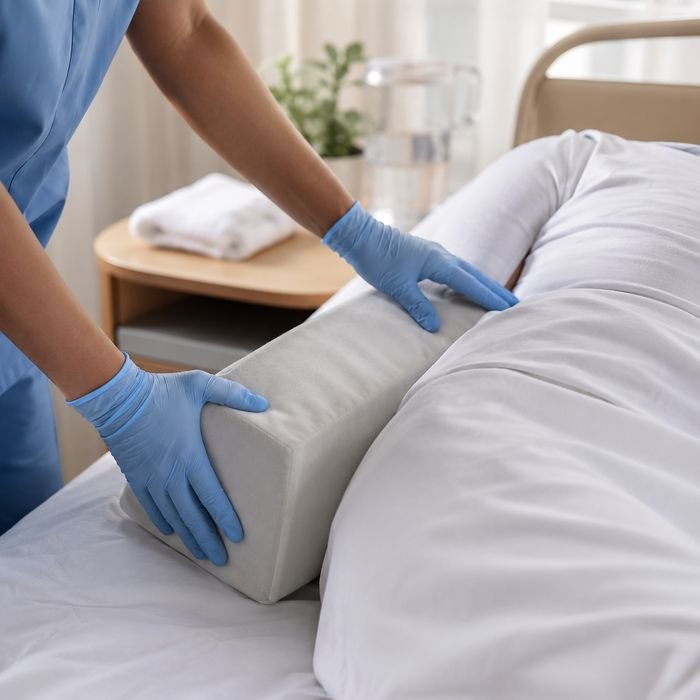
The single most effective way to prevent bed sores is regular repositioning — shifting a bedridden patient's position at least every two hours to relieve sustained pressure on any one area. Alongside this:
- Use pressure-relief cushions or mattresses for high-risk areas
- Keep skin clean and dry, especially for patients with incontinence
- Check heels, hips, tailbone and shoulder blades daily for early redness
- Support good nutrition and hydration — skin heals poorly when the body is undernourished
Treating an Existing Bed Sore
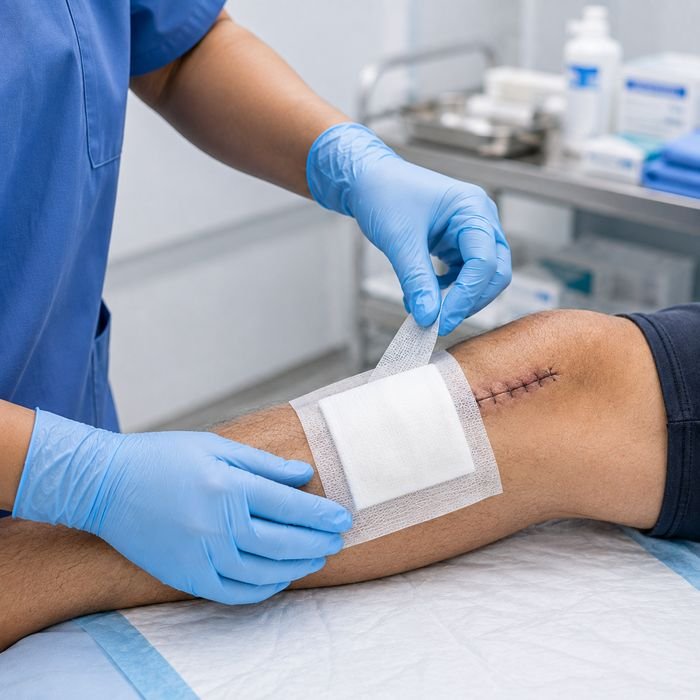
Once a bed sore has formed, treatment depends on its stage — proper wound cleaning, the right type of dressing to manage moisture and protect the area, and continued repositioning to keep pressure off the wound while it heals. Deeper stage 3 and 4 wounds may also need debridement (removal of damaged tissue) to heal properly.
At Wound Care Service, our nurses assess the stage of each pressure ulcer, apply the correct dressing protocol, and guide families on positioning and skin care between visits — so the wound is treated correctly and doesn't silently progress to a deeper stage.